0 minutes
Written by
Luciano Picardo
Published on
April 30, 2026
Published on
April 30, 2026
Modified on
May 5, 2026
Go Back
.webp)
The 11 PM to 7 AM shift is a persistent headache for hotel operations. Finding reliable staff for these hours is increasingly difficult, and the labor shortage has forced many hotels to operate with skeleton crews or no overnight presence at all. When a guest arrives after midnight or an emergency maintenance worker needs a master key at 3 AM, a lack of staff often results in operational failure.
For years, the workaround was leaving keys in unsecured lockboxes or on the reception counter, but these methods create massive security gaps and guest confusion. Modern hotels are now using automated key management to bridge the gap between lean staffing and 24/7 service demands.
Operating a manual key handover system during the night shift introduces several hidden expenses that drain a hotel’s profitability:
Automated systems allow hotels to maintain a high level of service even when the lobby is empty. By using a cloud-connected key management system, management can remotely authorize access for anyone who needs it.
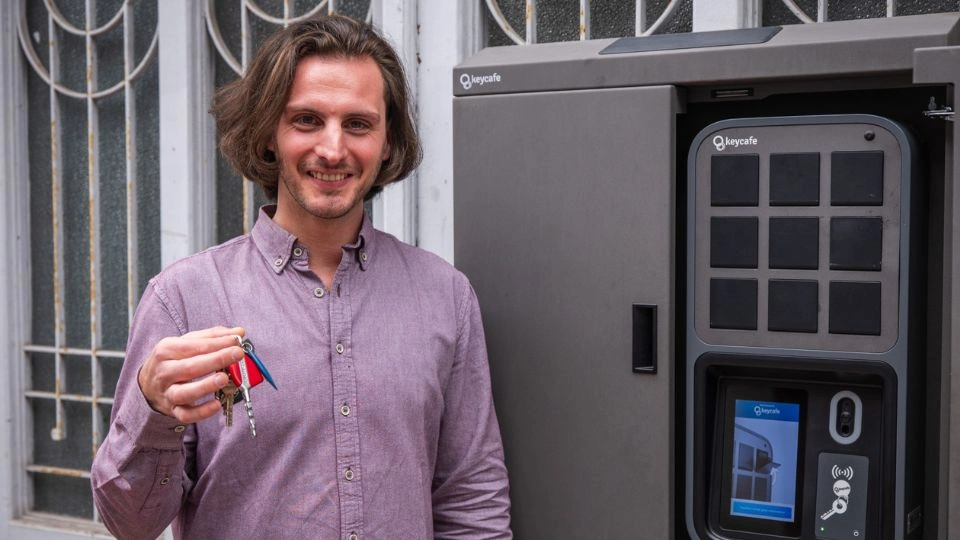
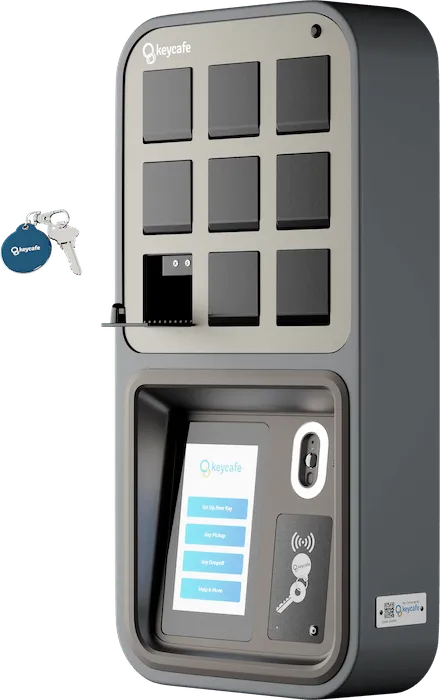
When a reservation is made, the system can automatically send a unique pickup code to the guest via email or SMS. Upon arrival, the guest enters their code at a locker installed in the lobby and retrieves their room key in seconds. This removes the need for a staff member to be physically present for the exchange, allowing boutique hotels to reduce reception hours without impacting the guest journey.
Night shifts involve many maintenance and cleaning tasks. Instead of a supervisor staying late to hand out keys, vendors receive one-time access codes that expire after their shift. This ensures they only have access to the areas they need, exactly when they need it.
Real-world applications show that moving to automated night-shift access creates immediate results.
Concord Hospitality found that traditional methods lacked the accountability needed for a high volume of staff keys. By implementing an automated system, they eliminated the need for manual logging. Employees now clock in and head straight to a SmartBox, retrieving assigned keys with a PIN. This has saved significant labor hours and provided management with peace of mind through real-time tracking.
Heiwa Group faced a challenge managing hotels where they couldn't justify a 24/7 physical presence. Before automation, staff had to be on-site for every check-in, which was restrictive and expensive. By integrating their property management system, Hostaway, with automated key access codes, they enabled 24/7 self check-in for guests. This allowed them to reduce reception hours while increasing operational reliability.
A major worry for General Managers is the liability of after-hours access. Automated systems provide several layers of protection that manual books cannot:
Automation helps improve the quality of work for the staff you do have. When the night shift is no longer bogged down by the logistics of key management, they can focus on hotel security and guest satisfaction.
As the hospitality industry moves toward a hybrid model of service, the hotels that thrive will be those that use technology to support their human teams. Automating your night shift key access is a simple way to secure your assets and respect your bottom line.
.webp)